

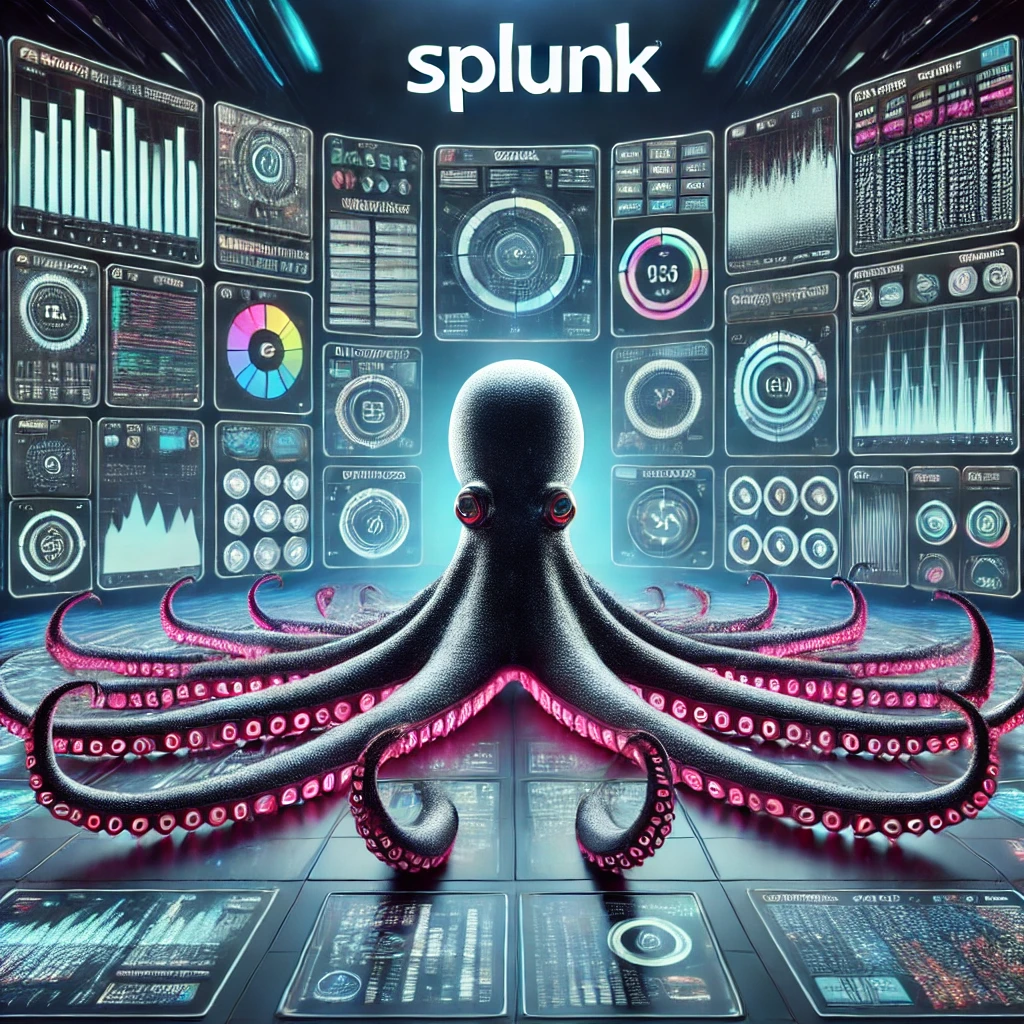
Is Splunk a free software?
Splunk is not free software. It offers a free version, but it is limited in terms of data ingestion (up to 500 MB per day). For larger data needs, advanced features, and enterprise support, Splunk requires a paid license. The paid versions offer greater scalability, advanced analytics, and integration capabilities, making them suitable for large organizations with significant data analysis needs.
Splunk also provides different pricing models, including subscription-based and volume-based options, to suit various business requirements.
What is Splunk? Where did it come from? When did it start to be a mature solution?
Splunk is a platform for searching, monitoring, and analyzing machine-generated data in real-time. It originated in 2003 as a solution for IT infrastructure monitoring and matured into a comprehensive data analytics platform by the early 2010s.
Is Splunk suitable for SMBs?
Splunk can be suitable for small and medium-sized businesses (SMBs), but it depends on the specific needs and budget of the organization. The free version of Splunk might be sufficient for SMBs with smaller data volumes and simpler use cases. However, the cost of the paid versions can be significant, which may be a consideration for budget-conscious SMBs.
For SMBs needing robust data analysis and monitoring capabilities, but with limited budgets, exploring alternatives like Elastic Stack (ELK) or considering Splunk’s cloud offerings with flexible pricing might be worthwhile.
What are the corresponding solutions of other big players in the market?
Key competitors include Elastic Stack (ELK), IBM QRadar, Sumo Logic, and Datadog.
What is the difference between Splunk and other data analytics solutions?
Splunk excels in real-time data processing, scalability, and a powerful search language. It also has a strong ecosystem of apps and integrations.
When to consider using Splunk?
Use Splunk when you need robust data analytics across IT, security, and business operations, especially for large-scale deployments.
What about Splunk’s integration and automation capabilities?
Splunk offers extensive integration options with APIs, third-party apps, and a wide range of data sources. It also supports automation through workflows, alerts, and machine learning.
What are the use cases where Splunk rises and shines?
Splunk is ideal for IT operations monitoring, security information and event management (SIEM), compliance, and business analytics, particularly in environments with vast and diverse data sources.

Hi, this is a comment.
To get started with moderating, editing, and deleting comments, please visit the Comments screen in the dashboard.
Commenter avatars come from Gravatar.